The Right Way to Get Rid of Masks and Gloves Without Risk
The Right Way to Get Rid of Masks and Gloves Without Risk
Masks and gloves have become everyday essentials in our lives, especially during pandemics like COVID-19. While these items provide essential protection, disposing of them incorrectly can put people and the environment at risk. This comprehensive guide covers the right way to get rid of masks and gloves without risk, ensuring safety for your family, your community, and our planet. Follow these best practices to handle personal protective equipment (PPE) responsibly.
Why Proper Disposal of Masks and Gloves Matters
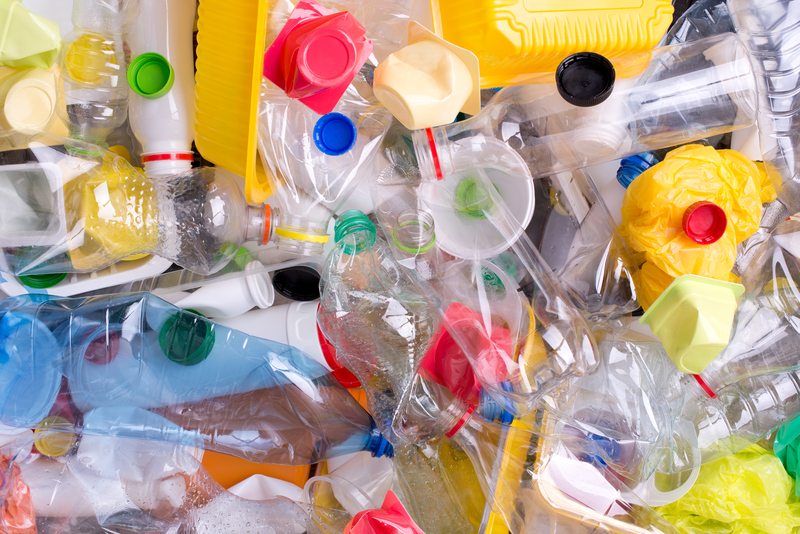
Many people aren't aware that improper disposal of masks and gloves can create significant health and environmental hazards. Used PPE may be contaminated with viruses, bacteria, and other pathogens, which can spread disease if not handled correctly. Furthermore, disposable PPE is usually made from plastics and synthetic fibers that persist in the environment, contributing to pollution and harming wildlife.
Hazards of Incorrectly Disposed PPE
- Public Health Risks: Used masks and gloves can transmit pathogens to sanitation workers, children, and others who may come into contact with them.
- Environmental Pollution: Discarded PPE often ends up in waterways, forests, or beaches, and can take hundreds of years to decompose.
- Wildlife Threats: Animals may ingest PPE or become entangled, leading to injury or death.
Understanding the proper way to throw away masks and gloves helps prevent these hazards while setting an example for responsible community behavior.
How to Dispose of Masks and Gloves Safely
Correct mask and glove disposal is straightforward but requires attention to a few important details. Below, find the safest step-by-step methods for discarding PPE without risk:
1. Remove Masks and Gloves Carefully
- Wash your hands with soap and water before touching your face or PPE.
- For masks: Remove using the ear loops or straps. Avoid touching the front surface, which may be contaminated.
- For gloves: Pull the first glove off by pinching the outside near the wrist and peeling it away; hold it in the gloved hand. Remove the second glove by sliding an ungloved finger under the wrist and peeling it off inside out over the first glove.
2. Bag and Seal Used PPE
- Place used masks and gloves in a plastic bag immediately after removal.
- Seal the bag tightly to prevent contents from spilling or contamination spreading.
- If a bag is not available, temporarily store PPE in a safe location where it cannot be accessed by children or pets.
3. Dispose of PPE in the Right Bin
- Do not recycle disposable masks and gloves. Most PPE is made from materials that cannot be processed by municipal recycling centers.
- Dispose of sealed bags containing PPE in your general household waste bin (trash) - not the recycling bin.
- In public areas, use clearly marked "PPE waste" or "general waste" bins.
The Environmental Impact of PPE Waste
Improper disposal of masks and gloves has magnified existing waste management challenges globally. According to environmental groups, millions of masks and gloves are discarded daily. These items frequently end up in oceans, harming marine life and causing microplastic pollution.
What Happens When PPE Isn't Disposed Properly?
- PPE makes up a growing portion of urban litter, clogging drains and threatening wildlife.
- Plastics in masks and gloves break down into microplastics, which enter food chains and water supplies.
- PPE waste can become a vector for disease, carrying viruses and bacteria to waste workers and scavengers.
For these reasons, it's essential to dispose of masks and gloves correctly, following guidelines from health and environmental authorities.
Are Masks and Gloves Recyclable?
Most disposable masks and gloves are NOT recyclable. Masks are usually made from layers of polypropylene plastic, while gloves may be latex, vinyl, or nitrile. Due to contamination risks and material complexities, these items are not suitable for recycling in standard household collection programs.
Can You Recycle PPE at Special Facilities?
- Some specialized programs accept used PPE for recycling. Check with local environmental organizations or waste management companies for options in your area.
- Never place used PPE in curbside recycling, as this causes contamination and endangers recycling workers.
To be safe and responsible, always throw away disposable PPE as regular trash unless an approved take-back program is available.
Alternative Solutions to Reduce PPE Waste
While disposable masks and gloves are effective, sustainable alternatives can reduce waste. Here are some practical ways to help the environment while still protecting your health:
Reusable Masks
- Opt for reusable cloth masks when possible and safe.
- Wash reusable masks after each use using hot water and soap.
- Follow government health guidelines for when disposable medical masks are necessary (e.g., in healthcare settings or when caring for someone with COVID-19).
Reusable Gloves
- In most public settings, wearing disposable gloves is not necessary. Handwashing with soap or using hand sanitizer is sufficient.
- For tasks requiring protection, use reusable household gloves that you can disinfect and clean after use.
Reduce PPE Use When Safe
- Practice good hand hygiene to minimize the need for gloves unless performing specific tasks.
- Maintain physical distancing and wear masks only when required to reduce single-use mask consumption.
Special Considerations for Medical and Quarantine Settings
When caring for someone who is sick or when in quarantine, proper mask and glove disposal becomes even more critical. Follow these steps to ensure maximum safety:
- Double-bag PPE waste from infected individuals before placing in regular trash. This extra layer protects waste workers.
- Wash hands thoroughly after handling used PPE, even if using gloves.
- Use dedicated "PPE waste" bins if provided by public health authorities.
- Alert municipal authorities if large quantities of PPE waste are being generated to ensure safe collection.
Tips on Educating Others About PPE Disposal
Correct disposal of masks and gloves benefits the entire community. Share these tips to encourage responsible behavior:
- Post visual guides in homes, offices, and public areas showing how to dispose of PPE correctly.
- Teach children the importance of not littering PPE and the potential risks involved.
- Support community clean-up efforts to remove PPE litter from streets and parks.
- Model good behavior by always disposing of your own PPE properly.
Key Takeaways: How to Dispose of Masks and Gloves Without Risk
- Always place used masks and gloves in a sealed plastic bag.
- Dispose of bagged PPE in the general waste bin, not the recycling.
- Never litter PPE in public places or flush it down toilets.
- Wash or sanitize your hands immediately after handling used PPE.
- Choose reusable options where safe and practical to reduce waste.
- Follow local regulations for PPE disposal, especially in healthcare or quarantine situations.
Frequently Asked Questions About PPE Disposal
Can I sanitize and reuse disposable masks or gloves?
No. Disposable masks and gloves are meant for single use only. Attempting to sanitize or reuse them can compromise their effectiveness and increase the risk of infection.
Can I burn used masks and gloves to get rid of them?
Do not burn PPE at home. Burning plastics releases toxic fumes that can harm health and the environment. PPE should only be incinerated at specialized facilities with proper emissions controls.
What should I do if I see masks or gloves littering my neighborhood?
If safe, use gloves or a litter picker to collect the items and dispose of them following the outlined steps above. Always wash your hands thoroughly after handling littered PPE.
Conclusion: Make Proper PPE Disposal a Daily Habit
Knowing how to get rid of masks and gloves without risk is a simple yet powerful way to protect public health and our environment. Now that you know the correct procedures, you can set a positive example and help educate others.
Remember, every mask and glove disposed of properly keeps someone else safe and reduces pollution. Let's all do our part to stay healthy and keep our communities clean!
Recommended Resources
- EPA: How to Dispose of Masks and Gloves Safely
- CDC Guidelines for PPE Use and Disposal
- WHO: Advice on the Use of Masks and PPE
By following these steps for correct mask and glove disposal, you're making a difference for both your own well-being and the environment. Share this guide with friends, family, and coworkers to build safer, cleaner, and more responsible communities for us all.